
Purchasing vacant land in Georgia can be an excellent opportunity to build a home, establish a small farm, or simply enjoy the privacy and freedom that rural property offers.
However, one consideration buyers sometimes overlook is the cost of preparing that land for its intended use.
Unlike purchasing an existing home, buying undeveloped property may require additional improvements before construction can begin. Understanding these expenses early can help you establish a realistic budget and choose the property that best fits your plans.
Let’s examine some of the most common costs associated with preparing rural land for a new home in Georgia.
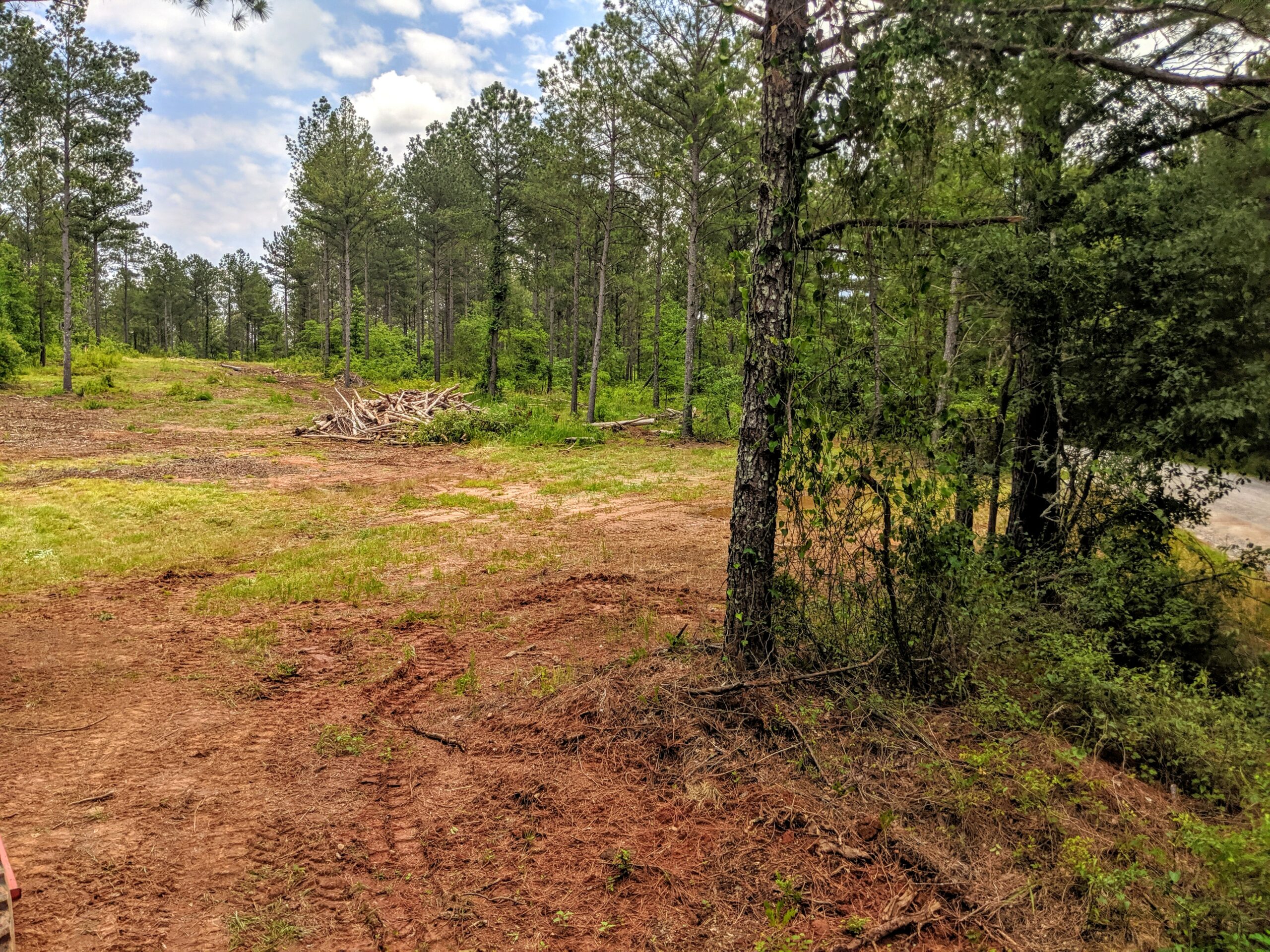
One of the first steps in preparing a homesite is determining how much clearing and grading will be necessary.
An open pasture may require very little preparation, while a heavily wooded property could require tree removal, stump grinding, grading, and debris disposal.
The amount of land that needs to be cleared will depend on the proposed home, driveway, septic system, and the owner’s landscaping preferences.
For a typical rural homesite, clearing and site preparation might cost several thousand dollars. More extensive work involving mature timber, substantial grading, or difficult terrain can increase those expenses.
Money-saving consideration: Purchasing a property with an existing clearing or suitable open area may significantly reduce initial development costs.
A driveway is another important consideration, particularly when a potential homesite is located a considerable distance from the public road.
Driveway costs depend on several factors, including:
A relatively short gravel driveway might cost only a few thousand dollars, while a long driveway requiring significant grading and drainage improvements could cost considerably more.
Buyers should also consider construction access. Delivery trucks, concrete trucks, and heavy equipment will need a suitable route to the homesite during construction.
Many rural Georgia properties do not have access to a public water system. In those situations, a private well may be necessary.
The cost of installing a well varies based on the required depth, underground conditions, and equipment needed to provide an adequate water supply.
In addition to drilling the well, buyers should account for the pump, pressure tank, electrical connections, and water lines.
Depending on the location, a complete private well installation can represent a significant portion of the property’s initial improvement budget.
Before purchasing, determine whether public water is available and, if not, contact a local well contractor for guidance about conditions in the area.
Properties without public sewer service generally require an approved septic system for residential use.
A conventional septic system may cost several thousand dollars, while systems requiring specialized designs or additional sitework can cost substantially more.
One of the most important considerations is whether the property has suitable soils and an acceptable location for the proposed septic system.
Georgia’s county environmental health departments evaluate septic suitability and issue the necessary permits.
Buyers should investigate septic feasibility before finalizing a land purchase intended for residential construction.
The presence of several acres does not automatically guarantee that every desired homesite location will support a septic system.
Even if electrical lines run along the road in front of a property, additional work may be needed to establish service at the homesite.
The cost depends on the location of existing electrical facilities, the distance to the home, and the type of service being installed.
Depending on the property, improvements may include utility poles, underground electrical lines, a transformer, or other service infrastructure.
For properties with longer distances between the public road and the proposed residence, these expenses deserve particular attention.
Contacting the local electric utility before construction can help establish the scope of work and any potential customer charges.
Other expenses may include property surveys, building permits, driveway entrance requirements, and additional sitework.
A current boundary survey can help establish property lines, identify potential encroachments, and assist with planning improvements.
Depending on the property, buyers may also need to consider drainage improvements, erosion control, or bringing in additional soil.
Not every property will require all these improvements. The important thing is to understand which expenses apply to the land you are considering.
Consider a hypothetical property that already has public-road access and a reasonably suitable homesite.
The following example illustrates a possible budget for preparing the property for residential construction.
| Improvement | Example Budget |
|---|---|
| Clearing and basic site preparation | $3,500 |
| Gravel driveway and entrance | $4,000 |
| Private well installation | $10,000 |
| Conventional septic system | $7,500 |
| Electrical service and connections | $3,000 |
| Surveying and miscellaneous expenses | $2,000 |
| Total Estimated Improvements | $30,000 |
This is an illustrative planning budget, not a contractor estimate or a statewide average.
Actual expenses may be lower or considerably higher depending on the location, property characteristics, contractor pricing, and improvements required. It also excludes the cost of the land and home construction.
The purpose of this example is to show how several individual improvements can contribute to the overall cost of establishing a new homesite.
Not every undeveloped property requires extensive improvements.
A tract with usable road frontage, an established driveway, available utilities, and an attractive natural homesite may offer advantages over a property requiring substantial preparation.
At the same time, a less-developed tract might provide greater privacy, flexibility, or a lower initial purchase price.
The best choice ultimately depends on your intended use, budget, and the characteristics you value most.
When comparing properties, consider both the purchase price and the improvements necessary to make the land suitable for your plans.
At Mathis Land Group – Virtual Properties Realty, we specialize in Georgia land and rural real estate.
Whether you’re looking for a private homesite, recreational acreage, hunting land, or a small farm, understanding a property’s characteristics and potential improvements is an important part of making an informed purchase.
Contact Mathis Land Group to discuss your Georgia land search or explore available properties.