Owning hunting land in Georgia provides opportunities to improve wildlife habitat, manage deer populations, and develop a property around your hunting goals.
However, consistently seeing and harvesting whitetail deer requires more than planting a food plot and putting up a hunting stand.
Deer movement changes throughout the year, food sources vary by season, and hunting pressure can influence when and where deer travel.
Over the years, we’ve found that some of the most effective improvements involve understanding the property, improving the available habitat, and making better decisions about when and where to hunt.
Here are nine strategies to consider when managing your Georgia hunting property.
Good deer habitat provides three essential resources: food, water, and cover.
While food plots often receive the most attention, natural vegetation and bedding cover can be just as important.
Deer consume a variety of native plants, including browse, forbs, fruits, and acorns. Maintaining a healthy mix of vegetation can provide food throughout the year.
One of the most effective improvements on some heavily wooded properties is increasing the amount of sunlight reaching the forest floor.
Selective timber thinning and appropriate understory management can encourage the growth of native plants that provide food and cover.
In suitable pine stands, prescribed burning can also encourage desirable vegetation and improve habitat conditions.
Hinge cutting is another technique sometimes used to create cover, but it should be approached selectively. Improper cutting can damage desirable timber and create significant safety hazards.
The objective isn’t necessarily to create more open land or thicker woods. It’s to establish a healthy balance of food sources, security cover, and travel areas.
Food plots can be a valuable part of a whitetail management program, particularly when they complement natural food sources already present on the property.
In Georgia, cool-season food plots often include combinations of oats, wheat, clover, and other forage crops.
Warm-season plots may provide additional nutrition during spring and summer, depending on growing conditions and deer pressure.
Successful food plots begin with understanding the soil.
Soil testing, proper pH management, appropriate fertilization, and choosing suitable planting varieties can make a considerable difference in production.
It’s also worth remembering that food plots aren’t the only way to improve available nutrition.
Planting persimmons, pears, crabapples, plums, and suitable mast-producing hardwoods can establish food sources that continue producing for many years.
Existing oak trees and other desirable mast-producing species can sometimes benefit from reducing competition for sunlight and growing space.
We prefer having a variety of food sources that become available during different parts of the year rather than relying entirely on one crop or feeding location.
When planning improvements, pay attention to where deer naturally travel and how hunting access will affect their willingness to use those areas during daylight.
One of the most overlooked aspects of successful deer hunting is how human activity affects deer movement.
You can have excellent habitat, productive food plots, and healthy deer populations, but repeatedly disturbing the same areas may reduce your chances of seeing deer during legal shooting hours.
Deer can become increasingly cautious when they regularly encounter human activity near bedding areas and travel corridors.
Consider identifying portions of your property where unnecessary disturbance can be minimized.
These areas can provide bedding and security cover, particularly when surrounded by quality habitat.
It’s also worth evaluating how frequently you hunt individual stands.
Rather than repeatedly hunting a favorite location regardless of conditions, consider rotating among stands based on wind direction, recent deer activity, and the time of year.
Sometimes, improving hunting success requires doing less rather than more.
Knowing when to leave an area undisturbed can be just as important as knowing when to hunt it.
Trail cameras are one of the most useful tools available to modern deer hunters.
They allow you to observe deer activity throughout the year without spending countless hours sitting in a stand.
However, their greatest value comes from identifying patterns rather than simply collecting photographs of impressive bucks.
Pay attention to when deer visit particular locations, which travel routes they use, and how their activity changes with the season.
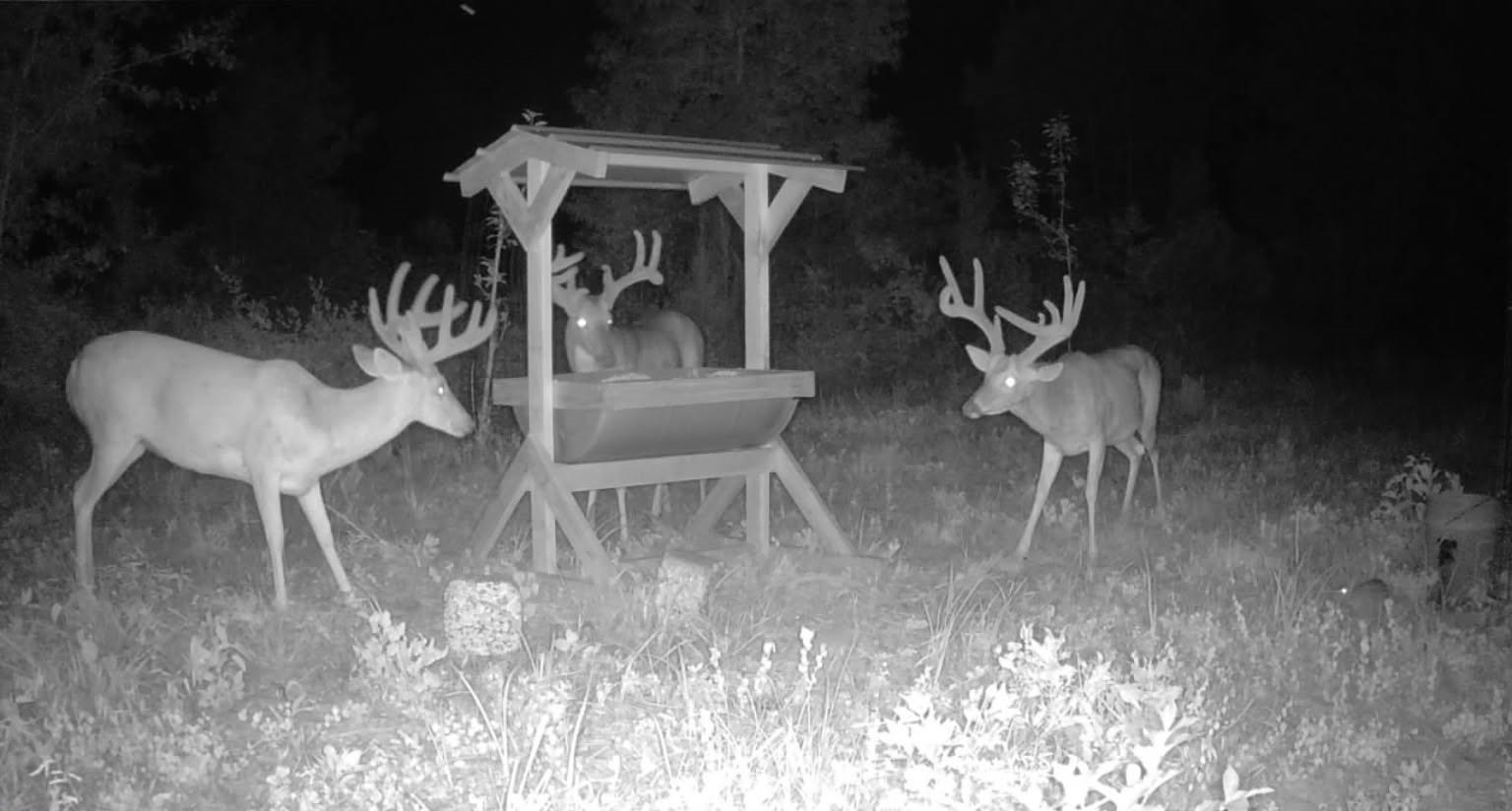
A camera overlooking a food source may provide valuable information about feeding activity, while another along a wooded travel corridor may reveal movement that isn’t visible from an open field.
Camera information can also help identify changes associated with mast production, hunting pressure, weather, and breeding activity.
Keep in mind that camera observations represent activity at specific locations. They don’t automatically provide an accurate estimate of the total deer population.
For more detailed herd evaluations, standardized camera surveys and professional management guidance may be beneficial.
A productive stand location involves more than finding a place where deer frequently appear.
Wind direction, visibility, cover, shooting opportunities, and access can all influence success.
Food plots can provide excellent afternoon opportunities when deer move toward feeding areas.
Morning hunting may be productive along travel routes used by deer returning toward bedding cover.
However, these patterns aren’t universal.
We’ve experienced successful hunts under both arrangements, and deer behavior can change considerably throughout the season.
A stand overlooking an open food plot may perform well early in the season but become less productive after deer change their movement patterns.
Likewise, a wooded travel corridor that sees limited activity in September may become an excellent location during the rut.
When selecting stands, consider having multiple options that accommodate different wind directions and seasonal patterns.
A smaller number of well-positioned stands may be more useful than placing stands throughout the property without considering how they will be hunted.
A whitetail’s sense of smell is one of its most effective defenses.
While scent-free clothing and other scent-control products may help reduce human odor, they cannot guarantee that deer won’t detect you.
Wind direction remains one of the most important considerations when deciding where to hunt.
Ideally, your stand should be positioned so that your scent is carried away from the areas where you expect deer to travel.
However, terrain, vegetation, and changing temperatures can create unexpected air movement.
It’s also important to consider how you’ll enter and leave the stand.
Walking through a feeding area or close to bedding cover can disturb deer before your hunt begins.
Whenever possible, establish access routes that minimize exposure to the areas you’re trying to hunt.
This might mean taking a longer route around a field or choosing a different stand when conditions aren’t favorable.
Careful access planning can help reduce disturbance and preserve the productivity of a hunting location.
Deer behavior changes significantly from the beginning of Georgia’s archery season through the winter months.
Early in the season, bucks may still follow relatively predictable summer feeding patterns.
We’ve personally enjoyed considerable success during the early archery and firearms portions of the season, when deer on some properties have been less pressured and more consistent in their movements.
As the season progresses, those patterns can change.
During the rut, bucks may travel greater distances while searching for receptive does. Travel corridors, pinch points, and areas connecting bedding cover can become particularly productive.
Later in the season, dependable food sources may become increasingly important as deer recover from breeding activity and prepare for winter.
Georgia’s rut timing also varies considerably by location, so hunters should pay attention to the breeding patterns in their particular area.
The best strategy is to observe current conditions rather than rely exclusively on what worked earlier in the year.
A stand that produces excellent results in September may not be the best choice in November or December.
Managing the deer population on a property involves more than deciding which bucks to harvest.
The appropriate harvest strategy depends on deer density, available habitat, buck age structure, and the landowner’s management objectives.
Some hunters prefer allowing younger bucks additional opportunities to mature before harvesting them.
Others prioritize maintaining a healthy herd, providing family hunting opportunities, or harvesting deer for meat.
All of these can be reasonable objectives when approached responsibly.
Doe harvest can also be an important management tool where deer populations exceed what the available habitat can comfortably support.
However, excessive antlerless harvest on properties with lower deer densities can work against efforts to maintain or increase the local population.
Recording harvest information, observing deer body condition, and evaluating population trends can help guide future decisions.
Georgia DNR offers its Deer Management Assistance Program (DMAP) to help landowners develop more informed habitat and harvest strategies.
The objective should be managing the deer population according to the property’s conditions and your long-term goals.
Coyotes and bobcats are part of Georgia’s natural wildlife communities and can influence deer populations, particularly through predation on young fawns.
However, the relationship between predator management and deer hunting success is complicated.
Removing predators doesn’t automatically produce a lasting increase in deer numbers, and the results of predator-control efforts vary among properties.
Adequate fawning cover, food availability, deer density, and other habitat conditions also influence fawn survival.
Where poor fawn recruitment is a concern, evaluating habitat quality and population trends can help determine which management efforts are most likely to be effective.
Feral hogs create another challenge for Georgia landowners.
Hogs can damage food plots, disturb soil, consume agricultural crops, and compete for some food resources.
Monitoring hog activity and addressing recurring damage can help protect investments in habitat improvements.
As with other management practices, the best approach depends on the specific problems occurring on the property.
Every Georgia hunting property is different.
A large timber tract may offer extensive bedding cover but limited established food plots. A smaller farm may have productive fields and excellent food sources but experience considerable pressure from neighboring properties.
Understanding those differences is essential.
Start by identifying your property’s strengths and weaknesses. Consider the available food, water, security cover, access, and the amount of hunting pressure deer experience.
Then focus on improvements that address the most important limitations.
Sometimes that means planting food plots or improving existing hardwood stands.
Other times, the most effective changes involve moving a hunting stand, improving an access route, or simply allowing an area to remain undisturbed.
No strategy guarantees success every time you enter the woods.
However, thoughtful habitat management and careful hunting decisions can improve your opportunities while making the property more enjoyable to own.
At Mathis Land Group, we understand the appeal of owning and managing recreational hunting property in Georgia.
Whether you’re searching for your first hunting tract, expanding an existing property, or preparing recreational land for sale, understanding the features that make hunting property desirable is an important part of the process.
Looking for hunting land in Georgia? Contact Mathis Land Group to discuss your property goals and available opportunities.