One of the greatest attractions of owning rural land in Georgia is the freedom to create a property that fits your lifestyle.
For some buyers, that means building a traditional home. Others may prefer a manufactured home, a camper for weekend visits, or a temporary place to stay while constructing their future residence.
A question we frequently encounter in rural real estate is whether buyers can place these types of homes or recreational vehicles on their own land.
The short answer is yes, many rural Georgia properties can accommodate manufactured homes or recreational vehicles. However, what is permitted depends on the property, its location, and how the home or camper will be used.
Let’s look at some important distinctions.
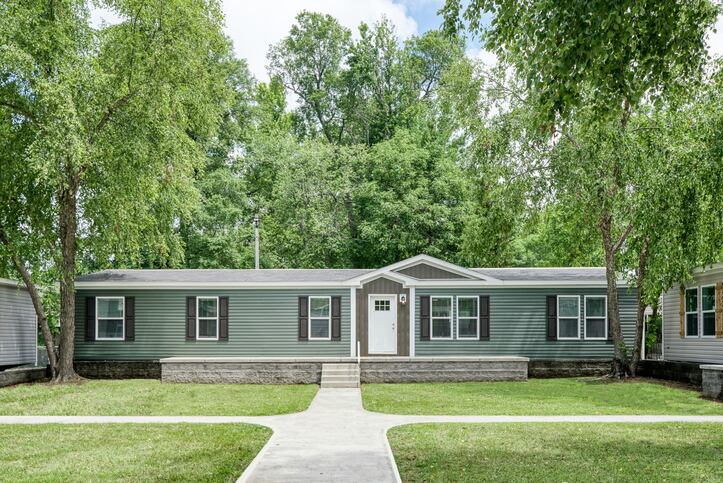
Manufactured homes are a popular housing option throughout rural Georgia.
They can provide affordable housing, allow owners to enjoy larger properties, and often involve a shorter construction timeline than building a traditional site-built home.
Many agricultural and rural residential areas permit manufactured homes, although restrictions vary by county and zoning district.
Before purchasing property for a manufactured home, consider:
Georgia also regulates the installation of manufactured housing, including installation permits and compliance with applicable safety standards.
A property that is suitable for a conventional home may also be suitable for a manufactured home, but buyers should verify the applicable requirements before proceeding.
The terms mobile home and manufactured home are often used interchangeably, but they have different meanings under federal housing standards.
Generally, a mobile home refers to a factory-built home manufactured before June 15, 1976.
Homes built after that date under the federal manufactured housing standards are commonly called manufactured homes.
Modern manufactured homes are constructed to federal standards administered by the U.S. Department of Housing and Urban Development (HUD).
These homes are available in single-section and multi-section designs, with numerous floor plans and exterior styles.
For buyers considering a used manufactured home, it is especially important to verify the home’s age, condition, identification labels, and installation requirements.
Many rural property owners enjoy keeping a camper or recreational vehicle on their land for hunting trips, weekend visits, camping, or other recreational activities.
Whether this is permitted depends largely on local ordinances and any private restrictions affecting the property.
An important distinction is the difference between parking or storing an RV and using it as a residence.
Some areas permit recreational vehicle storage or occasional camping but restrict long-term residential occupancy. Others allow temporary RV living under specified circumstances.
For example, buyers interested in purchasing land for a hunting retreat may have different needs from someone planning to live in a camper year-round.
Before buying, confirm that the property’s regulations accommodate your intended use.
Some Georgia jurisdictions allow property owners to temporarily occupy an RV while constructing a permanent residence.
This arrangement can provide flexibility for owners who want to oversee construction, spend time on their property, or avoid maintaining separate housing during the building process.
However, temporary RV occupancy is not permitted everywhere.
Where allowed, a county or municipality may require an active building permit, an approved temporary-use permit, appropriate sanitation facilities, or compliance with a specified occupancy period.
Buyers planning this arrangement should confirm local requirements before purchasing a camper or arranging utility connections.
Tiny homes have become increasingly popular among buyers looking for simpler housing and reduced maintenance.
However, not every structure marketed as a tiny home is treated the same way under building and zoning regulations.
A tiny home built on a permanent foundation may be regulated as a residential dwelling under applicable building codes.
A tiny home constructed on a trailer may be classified differently depending on its construction, certification, and intended use.
Likewise, a park model RV is not necessarily treated as a manufactured home or conventional residence.
Before purchasing a tiny home, determine how the local jurisdiction classifies it and whether that type of structure can be occupied on the property.
Whether you plan to install a manufactured home, construct a traditional residence, or use an RV, utility availability is worth investigating.
Depending on the property and proposed use, you may need:
Water: Public water service or a private well.
Wastewater: An approved septic system or another legally authorized method of wastewater disposal.
Electricity: Existing service or a new connection through the local electric utility.
Access: A suitable driveway or entrance for bringing a manufactured home or recreational vehicle onto the property.
Some rural properties already have improvements that can reduce preparation costs.
Others may require additional work before the intended use is possible.
Understanding these conditions can help you compare available properties more effectively.
Larger rural properties often provide advantages such as privacy, additional room for improvements, and greater separation from neighboring homes.
However, owning five, ten, or even fifty acres does not automatically exempt a property from local land-use regulations.
The property’s zoning classification, location, deed restrictions, and intended use still matter.
A relatively small property in one jurisdiction may permit a manufactured home, while a much larger tract elsewhere may have different restrictions.
Rather than assuming acreage alone determines what is allowed, evaluate the specific property.
If you are purchasing rural land with plans for a manufactured home, camper, or tiny home, a few questions can help guide your search:
These questions are particularly important when purchasing undeveloped land, since the property may not have previously been used for residential purposes.
Owning rural land in Georgia can provide opportunities for a variety of lifestyles, from weekend camping and hunting to full-time country living.
Manufactured homes, recreational vehicles, and smaller housing options can all be practical choices when matched with the right property.
The key is finding land that accommodates both your current needs and your future plans.
At Mathis Land Group – Virtual Properties Realty, we specialize in Georgia land and rural real estate.
Whether you’re searching for a manufactured home site, a weekend recreational property, or acreage for a future home, we can help you explore available land that fits your goals.
Contact Mathis Land Group to discuss your Georgia land search.