
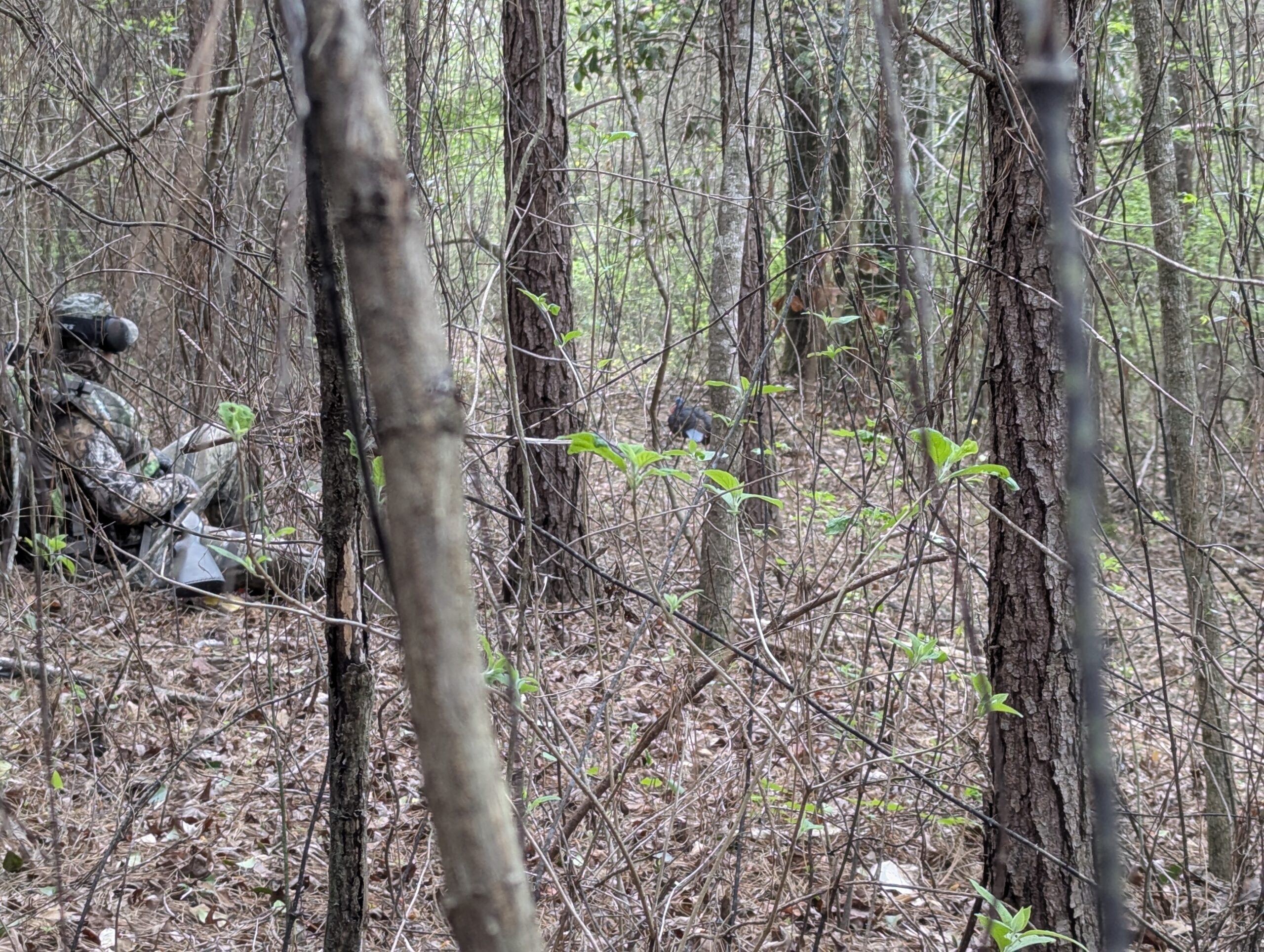
For many outdoor enthusiasts, owning a piece of hunting land in Georgia is a lifelong goal. Whether you’re interested in whitetail deer, wild turkey, or simply having a private place to enjoy the outdoors, choosing the right property can make a tremendous difference in your experience.
However, not all hunting properties are created equal.
Two properties with the same acreage and similar asking prices can offer very different hunting opportunities. Timber composition, surrounding properties, access, available food sources, and the layout of the land all influence how effectively a property can be hunted.
Let’s examine some of the characteristics worth considering when purchasing hunting land in Georgia.
When evaluating hunting land, it’s important to look beyond the property boundaries.
Deer and other wildlife do not recognize property lines. Their movements are influenced by food availability, bedding areas, seasonal behavior, and surrounding habitat.
A property surrounded by agricultural fields, managed timberland, or large undeveloped tracts may offer different opportunities than one surrounded by residential development or heavily traveled roads.
Neighboring hunting activity is another consideration.
Properties with limited hunting pressure in the surrounding area may provide advantages, particularly when mature deer have access to secure bedding cover and reliable food sources. However, relatively undisturbed deer may still remain in heavy cover during daylight and feed in open areas primarily at night.
Before purchasing, examine aerial imagery and, when possible, learn how the surrounding land is being used.
A good hunting property doesn’t necessarily need to be covered in mature hardwoods.
In fact, a mixture of pine timber, hardwoods, young regeneration, and natural openings can provide excellent wildlife habitat.
Different timber types offer different benefits.
Mature hardwoods may provide acorns and other natural food sources, particularly during the fall.
Young pine plantations and regenerating timber can provide dense bedding and escape cover.
Thinned pine stands may encourage sunlight to reach the forest floor, supporting native grasses, forbs, and other desirable vegetation.
Creek bottoms and mixed hardwood corridors can provide food, cover, and natural travel routes.
A property offering several of these habitat types may provide greater flexibility for hunting and wildlife management than one consisting entirely of uniform timber.
Food availability is an important consideration for anyone purchasing recreational land.
Georgia’s deer have access to a variety of natural foods, including acorns, woody browse, native vegetation, and agricultural crops.
Established food plots can complement these natural food sources and provide additional opportunities to observe and hunt wildlife.
Popular food plot plantings in Georgia include oats, wheat, clover, and other seasonal forages.
When evaluating a property, consider whether suitable locations already exist for food plots or whether openings could be established.
Some desirable characteristics include:
An existing food plot can be an attractive feature, but a well-located clearing with good growing conditions may offer just as much long-term potential.
Acreage is important, but the shape of a property can be just as significant.
Consider two hypothetical 75-acre hunting properties.
One is a relatively compact tract with several areas of timber, interior access, and multiple hunting locations.
The other is a long, narrow strip with neighboring properties close to much of its boundary.
Although both contain the same acreage, the more compact property may provide greater flexibility for establishing hunting locations and managing activity.
That doesn’t mean irregularly shaped properties should automatically be avoided. A narrow tract along a creek or between larger blocks of timber could contain an excellent wildlife travel corridor.
The key is understanding how the property’s layout influences access, wildlife movement, and practical hunting opportunities.
Being able to enter and leave a hunting property without repeatedly disturbing its most attractive wildlife areas is an important advantage.
Consider the location of public-road access, existing roads, trails, and potential stand locations.
A property with access along more than one boundary may offer additional options for different wind directions.
Similarly, interior trails can improve access for hunting, property maintenance, food plot equipment, and recovering harvested game.
When touring a prospective hunting property, think about where you would park, which routes you would travel, and how different areas could be hunted.
Good access can make even a smaller property more enjoyable and practical to use.
Ponds, creeks, and other water features can add recreational appeal and habitat diversity to hunting land.
Water sources may benefit wildlife and provide additional opportunities for fishing or other outdoor activities.
However, the presence of a creek or pond should be evaluated along with surrounding terrain and drainage.
Low-lying areas, seasonal flooding, and wetlands can affect road construction, equipment access, and potential improvements.
These features are not necessarily disadvantages. Creek bottoms and wetlands can offer valuable wildlife habitat, even when they are unsuitable for conventional development.
One of the most common mistakes buyers can make is assuming that seeing numerous deer during a single property visit guarantees consistently good hunting.
Deer movement changes throughout the year based on food availability, breeding activity, weather conditions, and other influences.
Trail camera photographs, established trails, rubs, scrapes, and firsthand observations may provide useful information about wildlife activity.
However, it is important to distinguish between a property that attracts deer and one that provides reliable hunting opportunities during legal shooting hours.
A property may have excellent food sources and a healthy deer population while mature bucks spend much of their daylight activity in nearby cover.
Understanding these differences can help buyers develop realistic expectations and identify opportunities to improve the property over time.
An ideal hunting property doesn’t necessarily need to have established food plots, permanent deer stands, or a developed trail network when purchased.
Some properties offer excellent opportunities for future improvements.
Depending on the land, these may include:
These improvements can increase the enjoyment and usefulness of a property, although the cost of each project should be considered before purchasing.
While recreational potential may be the primary consideration, buyers should also recognize other characteristics that contribute to a property’s overall value.
Timber resources, road frontage, agricultural potential, location, and future resale appeal can all influence marketability.
For example, a property with established timber, good public-road frontage, and suitable locations for future improvements may appeal to a broader group of buyers than a tract offering recreational use alone.
The best hunting property purchase should satisfy your recreational goals while remaining consistent with your budget and long-term ownership plans.
Purchasing hunting land involves more than simply finding acreage with deer on it.
A property’s location, habitat, access, layout, and surrounding land uses can greatly influence its hunting potential.
Some buyers may prefer an established hunting property that is ready to enjoy immediately. Others may find greater satisfaction in purchasing an undeveloped tract and gradually improving it.
At Mathis Land Group – Virtual Properties Realty, we understand the appeal of owning and managing rural recreational property in Georgia.
Whether you’re searching for a small private hunting retreat or a larger recreational tract, we can help you evaluate available properties and find land that fits your goals.
Contact Mathis Land Group to discuss available hunting properties in Georgia.